Moving From Tactical to Strategic Purchasing
Access this expert-led webinar instantly, available anytime on-demand.
Included in All-Access Membership
Are your purchasing activities driven by short-term decisions, or are they guided by a broader, results-oriented strategy? Understanding the difference between tactical and strategic purchasing can be the key to unlocking greater supplier collaboration, cost savings, and long-term success. In this insightful webinar, procurement expert Michael Gozzo will walk you through why it's time to shift your approach—and exactly how to do it effectively.
Through practical guidance and real-world examples, you'll learn how to move beyond price-based decisions and develop a strategic mindset that maximizes supplier relationships and long-term value. If you're ready to align your procurement efforts with broader business goals, this session is your first step toward a high-performance purchasing strategy.
Your Benefits for Attending:- Gain critical tools for more effective supplier interactions.
- Understand how and why to change supplier paradigms so they recognize mutual benefits.
- Learn how to apply Total Cost of Ownership (TCO) instead of focusing solely on unit price.
- Explore the concept of value-added costs in procurement and why they matter.
- Develop the essential skills needed to successfully transition from tactical to strategic purchasing.
- Learn how to evaluate your new approach from both your perspective and your suppliers’.
This information-packed session is essential for professionals seeking to improve purchasing outcomes, reduce procurement costs, and build lasting supplier partnerships. Whether you're a buyer, procurement manager, or operations leader, you'll walk away with actionable steps to elevate your approach.
Level: BasicFormat: Live Webcast
Instructional Method: Group Internet Based
NASBA Field of Study: Management Services (2 hours)
Program Prerequisites: None
Advance Preparation: No
- Objective 00:01:59
- Purchasing in Transition 00:04:20
- Definitions 00:04:30
- Role of Planning/Procurement 00:06:17
- Purchasing Process 00:07:49
- The Future 00:10:11
- Changes in Our Roles (Continued) 00:10:12
- Preparing for the Future 00:12:15
- Skill Sets 00:13:21
- Technology 00:16:55
- Supplier Relationships 00:17:02
- Basic Purchasing Process 00:21:58
- Need Determination 00:24:28
- Purchase Requisition 00:24:45
- Purchasing Process Continues – RFQ 00:24:50
- Process Continues – Select a Supplier / Prepare a Purchase Order 00:26:05
- Process Continues – Receipt, Inspection & Acceptance 00:27:40
- Studies for Best Practices 00:28:28
- Best Practices – Findings 00:30:36
- Most Implemented 00:31:47
- Guidelines for Supplier Improvement Programs 00:34:55
- Goals and Objectives 00:37:53
- Goals & Objectives (Continued) 00:40:56
- Understanding the Goals of Suppliers/Customers 00:41:05
- Understanding (Continued) 00:43:09
- Obtaining Customer & Supplier Needs 00:43:21
- What This Means?? 00:45:37
- Supplier Needs 00:46:46
- Approaches to Achieving SPM (Strategic Procurement Mgt.) 00:46:48
- Using Strategic Sourcing – Primary Process 00:47:09
- Approaches to Strategic Change 00:50:18
- Increasing Supplier Involvement 00:50:43
- Transforming the Relationship 00:50:45
- Sourcing Consideration 00:54:08
- Categorization Model 01:01:02
- Procurement Category Management 01:02:54
- Creating Time to Be Strategic 01:07:50
- SPM – A Competitive Weapon 01:09:23
- Competitive Edge 01:11:33
- Optimizing the Cost of Ownership 01:16:08
- Supply Risk and Profit Impact Model 01:16:52
- Performance Criteria 01:24:42
- Performance Standard 01:24:46
- Recap 01:27:32
- Q & A 01:37:17
- Closing Comments 01:42:06
-
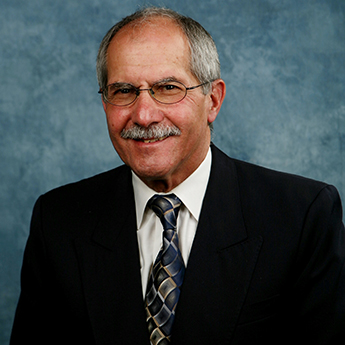
Michael W. Gozzo
Michael W. Gozzo provides consulting and training services to all levels of management and is a Supply Chain Specialist including Purchasing (Supplier Collaboration), Inventory Control and Production/Operations Management. With many years of practical international experience, he offers a supe [...]
CPE Credit

Aurora Training Advantage is registered with the National Association of State Boards of Accountancy (NASBA) as a sponsor of continuing professional education on the National Registry of CPE Sponsors. State boards of accountancy have final authority on the acceptance of individual courses for CPE credit. Complaints regarding registered sponsors may be submitted to the National Registry of CPE Sponsors through its website: www.nasbaregistry.org.
For more information regarding administrative policies such as complaint and refund, and cancellation please contact our offices at 407-542-4317 or [email protected].
You must answer all questions during the webinar, view the recording completely and pass the test at the end with 70% correct answers to receive CPE credit.
ISM Credit

This program may be used for Continuing Education Hours (CEH) toward recertification for programs offered by the Institute for Supply Management®, including the Certified Professional in Supply Management® and Certified Professional in Supplier Diversity®.
ATAPU Credit
Aurora Training Advantage is offering continuing education points designed to recognize dedication to training and excellence in purchasing.QPANJ Credit
Qualified Purchasing Agent - New Jersey
- 80-20 Pareto Rule 01:03:05, 01:03:05, 01:04:49, 01:15:50, 01:16:43, 01:16:43
- Artificial Intelligence (AI) 00:15:42, 00:15:42, 00:16:20, 00:16:33
- Bid Analysis Form — Not mentioned
- Commodity 00:18:10, 00:18:26, 00:29:55, 00:31:16, 00:32:07, 01:04:14, 01:20:33, 01:20:49
- Cost 00:07:13, 00:07:13, 00:07:39, 00:09:25, 00:09:41, 00:09:42, 00:09:56, 00:30:47, 00:35:09, 00:35:13, 00:36:24, 00:41:03, 00:43:17, 00:43:35, 00:46:14, 00:47:42, 01:11:36, 01:11:54, 01:12:05, 01:12:27, 01:12:38, 01:12:38, 01:14:28, 01:14:30, 01:14:30, 01:14:41, 01:14:41, 01:14:46, 01:15:00, 01:15:00, 01:15:00, 01:15:56, 01:16:00, 01:17:35, 01:18:51, 01:20:30, 01:20:33, 01:20:59, 01:22:27, 01:22:32, 01:28:03, 01:28:52, 01:33:17, 01:33:17, 01:33:45, 01:33:45, 01:33:45, 01:33:58, 01:37:59, 01:38:27, 01:38:41
- Distribution Requirement Planning (DRP) 00:23:52, 00:23:52
- Enterprise Resource Planning (ERP) 00:06:33, 00:06:33, 00:13:24, 00:13:43
- Inventory 00:00:19, 00:08:52, 00:39:49, 00:39:49, 00:39:49, 00:39:49, 00:39:49, 00:52:47, 00:56:24, 01:05:31, 01:07:24, 01:07:41, 01:13:26, 01:13:50, 01:15:00, 01:15:00, 01:15:00, 01:15:00, 01:18:36, 01:18:36, 01:31:58, 01:31:58, 01:31:58, 01:31:58, 01:33:30, 01:33:30, 01:33:45
- Invoice 00:04:36, 00:27:38
- Key Performance Indicator (KPI) 00:05:22, 00:05:22
- Lead Time 00:07:13, 00:07:39, 00:38:49, 00:38:57, 00:39:07, 00:41:28, 00:41:28, 00:51:45, 01:02:32, 01:02:44, 01:21:13, 01:21:22, 01:21:29, 01:33:58, 01:38:27
- Maintenance Repair Overhead (MRO) 00:22:33, 00:22:33, 00:24:27
- Material Requirements Planning (MRP) 00:13:24, 00:13:43, 00:13:59, 00:23:05, 00:23:05, 00:24:05
- Procurement 00:03:39, 00:04:26, 00:04:46, 00:06:33, 00:20:37, 00:20:44, 00:23:36, 00:36:24, 00:46:48, 01:01:04, 01:01:15, 01:07:53, 01:25:23, 01:25:38, 01:27:51
- Purchase Order 00:26:11
- Purchase Price Variance (PPV) 01:12:17, 01:12:17
- Purchase Requisition 00:24:27
- Request For Quotation (RFQ) 00:24:46, 00:25:13, 00:25:36, 00:25:36, 01:28:12
- Supplier 00:05:22, 00:06:33, 00:08:11, 00:08:11, 00:09:11, 00:10:39, 00:13:59, 00:14:18, 00:14:47, 00:16:59, 00:17:32, 00:17:54, 00:26:00, 00:26:18, 00:26:26, 00:26:38, 00:27:38, 00:28:08, 00:28:18, 00:28:18, 00:30:03, 00:30:25, 00:31:21, 00:32:07, 00:32:18, 00:32:28, 00:32:28, 00:33:05, 00:33:41, 00:33:41, 00:35:33, 00:36:24, 00:37:48, 00:37:54, 00:38:29, 00:38:49, 00:39:07, 00:39:07, 00:39:49, 00:40:51, 00:41:28, 00:43:11, 00:43:47, 00:45:40, 00:48:22, 00:49:15, 00:49:15, 00:49:15, 00:49:15, 00:50:37, 00:50:55, 00:50:55, 00:51:17, 00:51:33, 00:51:45, 00:54:24, 00:54:30, 00:54:37, 00:55:07, 00:55:40, 00:55:40, 00:56:24, 00:56:24, 00:56:24, 00:57:31, 00:57:52, 00:58:57, 01:00:15, 01:01:22, 01:01:22, 01:02:13, 01:02:13, 01:03:25, 01:04:09, 01:04:14, 01:04:25, 01:04:25, 01:04:37, 01:04:58, 01:05:31, 01:06:10, 01:06:10, 01:06:46, 01:07:14, 01:07:53, 01:08:10, 01:08:53, 01:08:53, 01:09:29, 01:14:00, 01:14:00, 01:14:12, 01:14:49, 01:15:00, 01:17:10, 01:17:15, 01:17:42, 01:18:14, 01:18:23, 01:18:28, 01:18:36, 01:19:03, 01:19:03, 01:21:29, 01:22:15, 01:28:04, 01:29:40, 01:31:10, 01:31:58, 01:31:58, 01:32:37, 01:32:46, 01:33:58, 01:34:47, 01:34:47, 01:38:27, 01:39:13, 01:39:21, 01:39:21, 01:39:37, 01:40:29
- Supplier Managed Inventory (SMI) 01:05:31, 01:05:31, 01:06:10, 01:07:04, 01:18:36, 01:18:36, 01:31:58
- Supplier Resource Management (SRM) — Not mentioned
- Supply Chain 00:00:19, 00:10:21, 00:28:57, 00:28:57, 00:28:57
- Total Cost 00:30:47, 00:41:03, 01:11:36, 01:14:30, 01:15:00, 01:17:35
- Total Cost of Ownership (TCO) 00:30:47, 00:30:47, 01:11:36, 01:14:30, 01:15:00
- Total Quality Management (TQM) 00:36:13, 00:36:13
- Vendor Managed Inventory (VMI) 01:05:31, 01:05:31, 01:06:10, 01:31:58
80-20 Pareto Rule: The Pareto principle states that, for many events, roughly 80% of the effects come from 20% of the causes.
Artificial Intelligence (AI): Artificial intelligence is intelligence demonstrated by machines, as opposed to the natural intelligence displayed by humans or animals.
Bid Analysis Form: Bid Analysis (Vendor analysis) is a technique used to figure out the cost of a project by comparing the bids submitted by many suppliers. This can be accomplished by considering the costs (via quotes, bids, proposals, etc.) presented for project work. By using a selection criteria divided into categories, vendor proposals have to meet these criteria or may be eliminated.
Commodity: A basic good used in commerce that is interchangeable with other goods of the same type.
Cost: The sum of the applicable expenditures and charges directly or indirectly incurred in bringing an article to its existing condition and location
Distribution Requirement Planning (DRP): Distribution Requirements Planning (DRP) is the process of determining the right quality of finished goods to be sent to each distribution center or warehouse in order to meet customer demand. During DRP, customer and forecasted demand are translated into purchase orders. This process depends on actual demand signals such as customer orders as those orders are used to plan the gross requirements of the supply source.
Enterprise Resource Planning (ERP): Refers to a type of software that organizations use to manage day-to-day business activities such as accounting, procurement, project management, risk management and compliance, and supply chain operations.
Inventory: A company's inventory typically involves goods in three stages of production: raw goods, in-progress goods, and finished goods that are ready for sale. Inventory or stock refers to the goods and materials that a business holds for the ultimate goal of resale, production or utilization.
Invoice: An invoice, bill or tab is a commercial document issued by a seller to a buyer, relating to a sale transaction and indicating the products, quantities, and agreed prices for products or services the seller had provided the buyer. Payment terms are usually stated on the invoice.
Key Performance Indicator (KPI) : A Key Performance Indicator is a measurable value that demonstrates how effectively a company is achieving key business objectives. Organizations use KPIs at multiple levels to evaluate their success at reaching targets.
Lead Time: The number of days from when a company places an order for supplies, to when those items arrive.
Maintenance Repair Overhead (MRO): Maintenance expenses incurred to maintain and repair equipment directly related to the manufacturing process are considered manufacturing overhead expenses. Maintenance expenses related to equipment and premises outside of manufacturing are non-manufacturing overhead.
Material Requirements Planning (MRP): Material requirements planning (MRP) is a system that helps manufacturers plan, schedule, and manage their inventory during the manufacturing process.
Procurement: Procurement is the process of finding and agreeing to terms, and acquiring goods, services, or works from an external source, often via a tendering or competitive bidding process. Procurement is used to ensure the buyer receives goods, services, or works at the best possible price when aspects such as quality, quantity, time, and location are compared.
Purchase Order: A legal contract between a buyer and a vendor. It lists the materials or services to be purchased on specified terms and conditions (quantity, price / pricing conditions, delivery date).
Purchase Price Variance (PPV) : Purchase Price Variance represents the difference between the actual price and the standard price, multiplied by the quantity purchased. The formula is: Purchase Price Variance = (Actual Price – Standard Price) x Actual Quantity.
Purchase Requisition: A purchase requisition is a document used as part of the accounting process to initiate a merchandise or supply purchase. By processing a purchase requisition, appropriate controls can monitor the legitimacy of a purchase, as well as identify the business need for the products.
Request For Quotation (RFQ): A process in which a company solicits select suppliers and contractors to submit price quotes and bids for the chance to fulfill certain tasks or projects.
Supplier: A supplier is an entity that supplies goods and services to another organization. A supplier is usually a manufacturer or a distributor. A distributor buys goods from multiple manufacturers and sells them to its customers. Similar Terms. A supplier is also known as a vendor.
Supplier Managed Inventory (SMI) : The Supplier Managed Inventory (SMI) process is a supplier-driven replenishment and planning process. With the SMI module, suppliers can view and manage inventory levels, shipping as required to maintain the ideal inventory level at the customer site. SMI reduces the customer's responsibility to monitor inventory and contact the supplier.
Supplier Relationship Management (SRM) : Supplier relationship management is the discipline of strategically planning for, and managing, all interactions with third-party organizations that supply goods and/or services to an organization The objective of SRM is to maximize the value of those interactions.
Supply Chain: A supply chain is a network between a company and its suppliers to produce and distribute a specific product to the final buyer. The supply chain also represents the steps it takes to get the product or service from its original state to the customer.
Tariff: Tariffs are taxes imposed by one country on goods imported from another country. Tariffs are trade barriers that raise prices, reduce available quantities of goods and services for US businesses and consumers, and create an economic burden on foreign exporters.
Total Cost: Total cost is the total expenditure incurred to produce some type of output. From an accounting perspective, the total cost concept is more applicable to financial reporting, where overhead costs must be assigned to certain assets.
Total Quality Management (TQM): Total quality management consists of organization-wide efforts to "install and make permanent climate where employees continuously improve their ability to provide on-demand products and services that customers will find of particular value."
Vendor Managed Inventory (VMI): Vendor-managed inventory (VMI) is an inventory management technique in which the supplier of goods, usually the manufacturer, is responsible for optimizing the inventory a distributor holds.