IRS Penalty Notice Abatement and B-Notice Processing/Backup Withholding Strategies for 2025

Access this expert-led webinar instantly, available anytime on-demand.

Included in All-Access Membership
Live Webinar - no upcoming date
Customer Satisfaction Guarantee Learn with confidence. If you're not happy, we'll make it right. That's our guarantee.

Purchase Options

Select an attendee quantity to add to cart.

Recorded Webinar Only

$219.00
or

All Access Membership

The Aurora All Access Membership is designed to provide you with the training that you want when you want it. You will have 100% access to every live webinar, on demand webinar, professional alert, and podcast that Aurora Training Advantage offers with no additional cost.

Learn More About Our All Access Membership
$599.00
All Access Membership

Staying compliant with the IRS's evolving information reporting requirements is essential to minimizing costly penalties, avoiding backup withholding missteps, and navigating complex filing rules. This timely and practical webinar will guide you through the latest updates for 2025 related to B-Notice processing, backup withholding, and IRS penalty abatement. As Form 1099 regulations continue to shift, accounting and tax professionals must ensure they are well-versed in properly handling CP2100 B-Notices, understanding the implications of Form 972-CG, and meeting Form 945 reporting obligations.

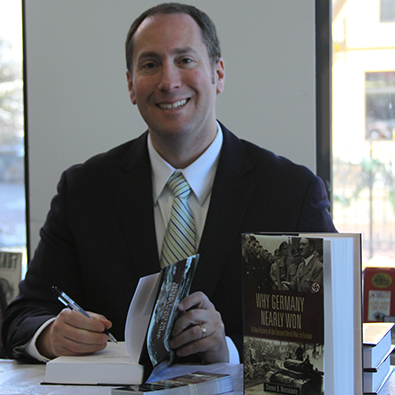
Led by corporate tax attorney and industry expert Steven D. Mercatante, Esq., this course breaks down the most challenging IRS correspondence and reporting scenarios that CPA's, Accounts Payable, Payroll, and Tax departments face. Through plain-English guidance and strategic insights, you’ll gain practical tools for managing TIN mismatches, executing accurate backup withholding procedures, and applying the reasonable cause standard for penalty abatement. Whether you’re new to information reporting or need a 2025 update, this session delivers actionable knowledge to improve compliance and reduce risk.

Topics Covered:
  • B-Notice Processing and Distinctions Between First and Second Notices
  • Backup Withholding: Escrowing, 1099-MISC/NEC, and Form 945 Reporting
  • Strategies for Abating Penalties from Form 972-CG
  • Establishing and Proving Reasonable Cause to the IRS
Your Benefits For Attending:
  • Discover how to process IRS CP2100 B-Notices
  • Learn the difference between a First and Second B-Notice
  • Break down the Backup Withholding process – including a look at escrowing, and associated 1099-MISC/NEC and Form 945 reporting
  • Get IRS Form 972-CG penalty notice abatement strategies
  • Discover the importance of reasonable cause and learn a multi-step process to prove it when seeking to have an IRS penalty abated

This webinar is your opportunity to stay ahead of compliance issues and gain confidence in handling some of the IRS’s most technical notices and penalties. You’ll walk away better equipped to safeguard your organization against costly errors and audits.

Who Would Benefit from this Webinar:
CPA's, Accounts Payable, Payroll, and Tax professionals who handle IRS Forms 1099, CP2100, and 972-CG or manage payee TIN compliance processes.

Level: Intermediate
Format: Live webcast
Instructional Method: Group: Internet-based
NASBA Field of Study: Taxes (2 hours)
Program Prerequisites: None
Advance Preparation: None

  • Steven Mercatante

CPE Credit

Continuing Professional Education

Aurora Training Advantage is registered with the National Association of State Boards of Accountancy (NASBA) as a sponsor of continuing professional education on the National Registry of CPE Sponsors. State boards of accountancy have final authority on the acceptance of individual courses for CPE credit. Complaints regarding registered sponsors may be submitted to the National Registry of CPE Sponsors through its website: www.nasbaregistry.org.

For more information regarding administrative policies such as complaint and refund, and cancellation please contact our offices at 407-542-4317 or [email protected].

ATATX Credit

Aurora Training Advantage is offering continuing education points designed to recognize dedication to training and excellence in accounting.

IRS Credit

Preparer Tax Identification Number

Customer Satisfaction Guarantee
Invest in your future with confidence! Our Customer Satisfaction Guarantee eliminates all risk, letting you focus purely on mastering new skills and advancing your career. If you're not completely satisfied, we'll ensure you are. Your satisfaction is not just a promise; it's our guarantee.

Frequently Asked Questions

A CP2100 (or CP2100A) notice is the IRS's notification to payers that certain information returns—typically Forms 1099—contained TIN mismatches, meaning the name and TIN combination did not match IRS records. When received, the payer must send a B-Notice to each affected payee within 15 business days. B-Notices come in two types: a First B-Notice is issued the first time a mismatch is identified for a payee within three calendar years and must be accompanied by Form W-9 for the payee to complete and return. A Second B-Notice applies if the same payee has a mismatch again within three calendar years and requires the payee to obtain TIN validation directly from the Social Security Administration or IRS. Failure to send B-Notices and initiate backup withholding within the required timeframe exposes payers to significant penalties and IRS audit scrutiny. This 2025 webinar provides a practical, step-by-step guide to processing B-Notices correctly and managing the associated compliance obligations.
Backup withholding is a mandatory federal income tax withholding requirement that applies to certain payments—including most Forms 1099 payments—when a payee fails to provide a correct TIN or has been notified of underreported income. The current backup withholding rate is 24% of the payment amount. Under B-Notice procedures, if a payee who received a First B-Notice fails to provide a completed Form W-9 within 30 business days, the payer must begin withholding 24% from all subsequent reportable payments. For Second B-Notice recipients, withholding must begin within 30 business days if the payee fails to provide a TIN validated by the Social Security Administration or IRS. Withheld amounts must be deposited through EFTPS and reported on Form 945 (Annual Return of Withheld Federal Income Tax)—not on Form 941. Properly escrowing withheld amounts and maintaining accurate records of when withholding began and ended is critical for compliance, as errors in backup withholding administration can trigger the very Form 972-CG penalties this webinar addresses.
IRS Form 972-CG is the notice the IRS uses to assess penalties against payers under IRC Section 3406 for failure to properly implement backup withholding when required—specifically when a payer failed to withhold at the 24% rate after receiving proper B-Notice notification. These penalties can be substantial for AP departments and payroll teams processing high volumes of vendor and contractor payments. To seek abatement, payers must establish reasonable cause—demonstrating that the failure resulted from ordinary business care and prudence rather than willful neglect. The IRS applies a multi-factor test examining the nature of the error, the payer's prior compliance history, corrective steps taken, and whether the error was isolated or systemic. A well-crafted abatement request includes a chronological narrative of circumstances, supporting documentation, and evidence of remediation. Working with a corporate tax attorney or compliance expert experienced in IRS information reporting—such as those leading this 2025 webinar—is strongly recommended when contesting Form 972-CG penalties.
Reasonable cause is the IRS's primary standard for abating penalties, requiring taxpayers to demonstrate that despite exercising ordinary business care and prudence, they were unable to comply with the tax obligation. For information reporting penalties—including those arising from B-Notice processing failures—establishing reasonable cause requires a structured, multi-step approach. The abatement request must explain what happened, why the failure occurred addressing each compliance element that was missed, and what the organization's normal procedures are. Evidence that the failure was isolated rather than systemic strengthens the claim significantly. Documentation of remediation steps taken after the error was discovered demonstrates good faith and commitment to future compliance. Prior compliance history matters: organizations with clean records over multiple prior years are more favorably positioned. The IRS also considers reliance on a professional advisor and whether the failure stemmed from ambiguous legal requirements. For organizations facing a first-time penalty, the first-time abatement administrative waiver may provide a simpler alternative to the reasonable cause standard.
Staying compliant with 2025 IRS information reporting requirements demands a proactive, systematic approach from accounts payable and tax departments. The foundation is a robust TIN validation process: before onboarding any new vendor or contractor, collect Form W-9 and verify the TIN/name combination through the IRS's TIN Matching Program, which allows bulk verifications before filing season. Conduct annual TIN match sweeps of the active vendor file prior to filing 1099s to identify potential mismatches before they trigger CP2100 notices. Establish a documented B-Notice workflow with defined timelines, responsible parties, and escalation procedures so notices are never missed or processed late. Train AP staff on the distinction between First and Second B-Notices and the different required responses each triggers. Maintain a Form 945 deposit calendar and ensure backup withholding amounts are tracked and deposited separately from payroll tax deposits. Regular self-audits of 1099 filing accuracy and prior-year CP2100 patterns help identify systemic data quality issues before they generate the penalties covered in this 2025 webinar.